
Quick Summary
American made fishing tools are worth the extra cost when you use them hard enough for the longer service life and stronger warranty coverage to offset the higher upfront price. The label itself varies, so confirm that the finished tool is made in the USA and check each warranty's exclusions before buying.
- Confirm the country-of-origin statement covers the finished tool, not just the packaging.
- Divide the purchase price by expected seasons, then add replacement parts and lost fishing time.
- Warranties usually exclude consumables such as dart shafts, so budget for replacing them.
- Occasional anglers may find a basic imported tool does the job without the premium.
- Read the warranty exclusions and confirm replacement parts will be available for the tool's expected life.
Table of Contents
- What American Made Actually Means for Fishing Gear
- American Made vs. Imported Tools: A Side-by-Side Value Comparison
- Made in USA Fishing Reels and Saltwater Fishing Reels Made in USA: What to Check
- Affordable Fishing Rods Made in USA: Where the Price Gap Narrows
- Best Fishing Rods Made in USA for Offshore and Commercial Use
- Long-Term Cost, Warranties and Repairability
- Which Anglers Get the Most Value From American Made Gear
- Choosing Your Next Harpoon, Gaff or Rod Holder From L.T. Marine
- Frequently Asked Questions
What American Made Actually Means for Fishing Gear
"American made" is one of the most used and least defined labels in the fishing tackle market, and shoppers searching for american made fishing tools should know it can mean different things depending on where a product is assembled and what materials it uses. Those are very different things, and they affect cost, durability and warranty support.
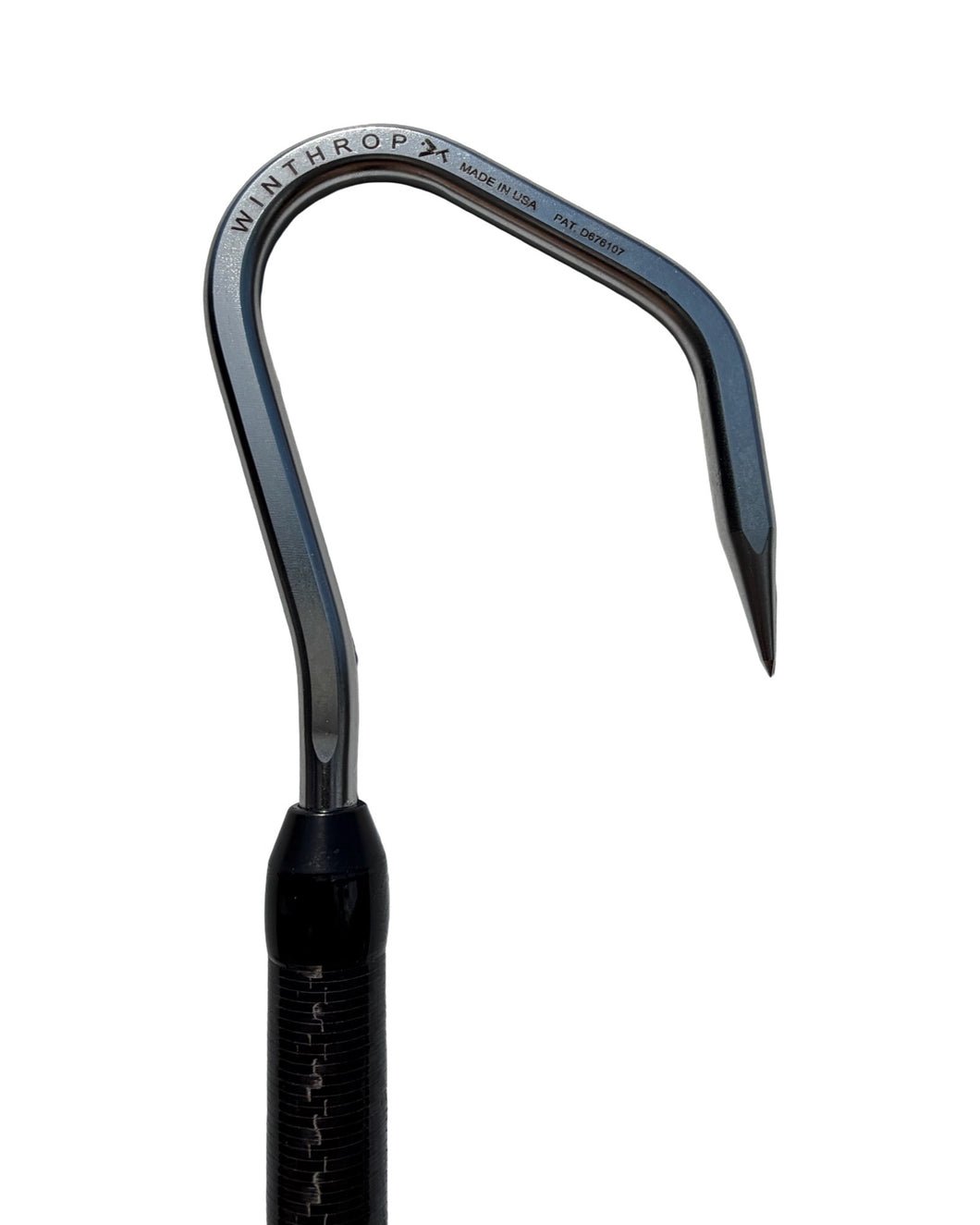
The practical question to ask is where the core components come from and where the final machining and assembly happen. A product can carry a Made in USA label while using imported blanks, hardware or raw material. The more manufacturing that happens under one roof, the more control a buyer has over quality and the easier it is to get repairs.
At L.T. Marine, our harpoons, gaffs, rod holders and tomahawks are manufactured in-house, and the company states that its harpoons are 100% manufactured in its Connecticut machine shop. Check the listing for each product before assuming the label covers everything you are buying.
American Made vs. Imported Tools: A Side-by-Side Value Comparison
This section compares domestic and imported tools using the criteria that decide whether a premium pays off: purchase price, expected service life, warranty coverage, parts availability, and the cost of a mid-season failure.
The comparison is not "domestic good, imported bad." It is a question of how many seasons each tool delivers before it needs to be replaced or repaired, and what that replacement costs in money and lost fishing time.
| Factor | Domestic example (L.T. Marine) | Typical imported alternative |
|---|---|---|
| Upfront price | Higher; e.g., Cockpit Harpoon Series from $265.00, Extreme HD Carbon Fiber Gaffs from $300.00 | Lower at the register, often a fraction of the domestic price |
| Warranty | Lifetime on harpoon assemblies; 2-year on carbon fiber gaffs; lifetime on 316 stainless rod holders | Varies widely; often 90 days to 1 year, sometimes none in writing |
| Replacement parts | Direct from the maker; dart shafts and storage bags sold as consumables | Often unavailable after the model cycle ends; replacement means buying new |
| Repairability | In-house repair and direct contact with the manufacturer | Usually routed through a reseller with limited authority |
| Failure mode under load | Designed around a known weak point (dart retention) that is serviceable | Unknown; failure often means the whole tool is retired |
| Cost per season | Spread over a multi-season service life | Lower per purchase, but repeated replacement resets the clock |
A simple way to run the math: divide the purchase price by the number of seasons you expect the tool to last, then add the cost of any replacement parts and the value of the fishing time lost to a failure. The domestic premium narrows once the tool is used hard enough to expose the difference in service life.
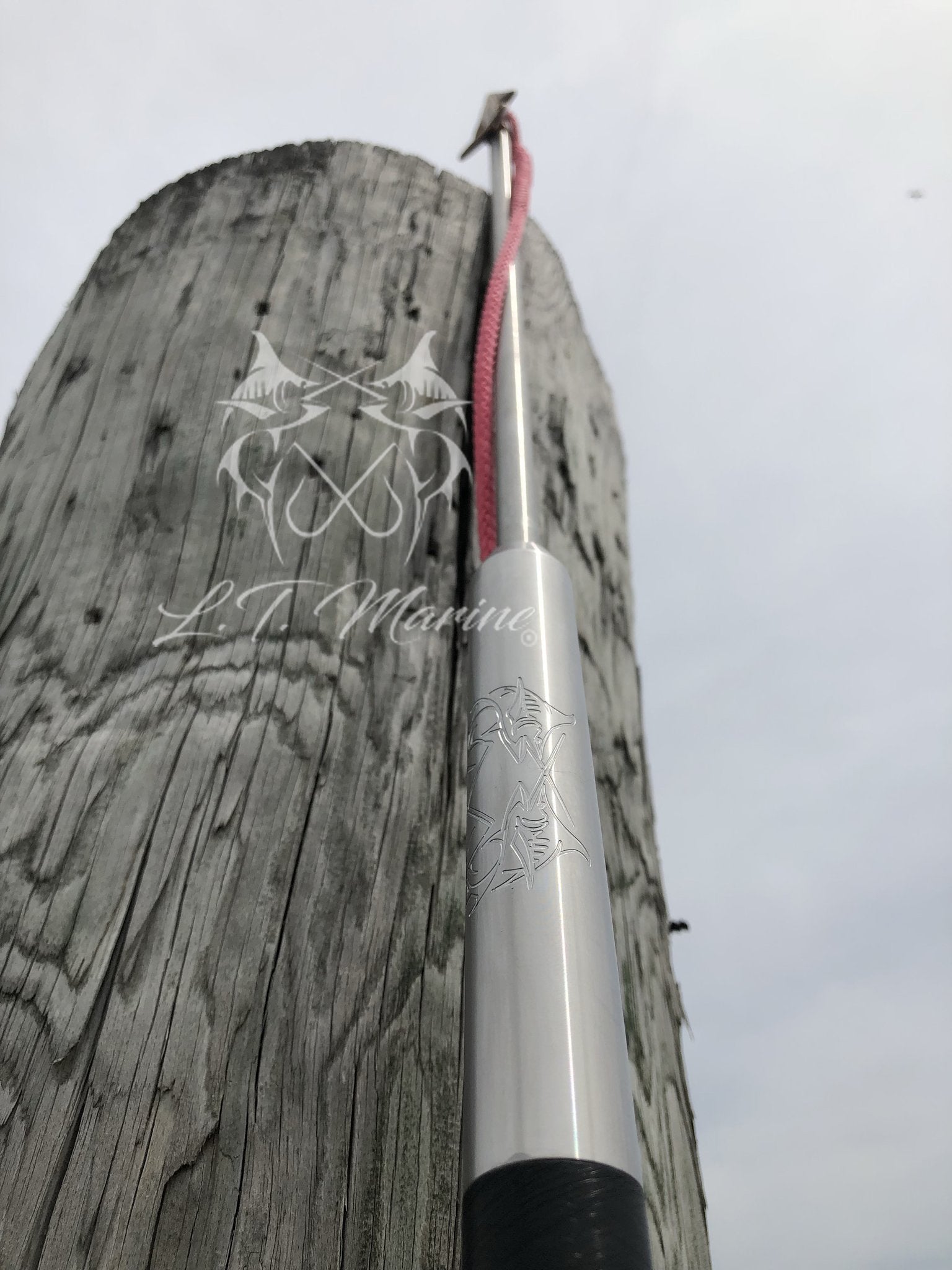
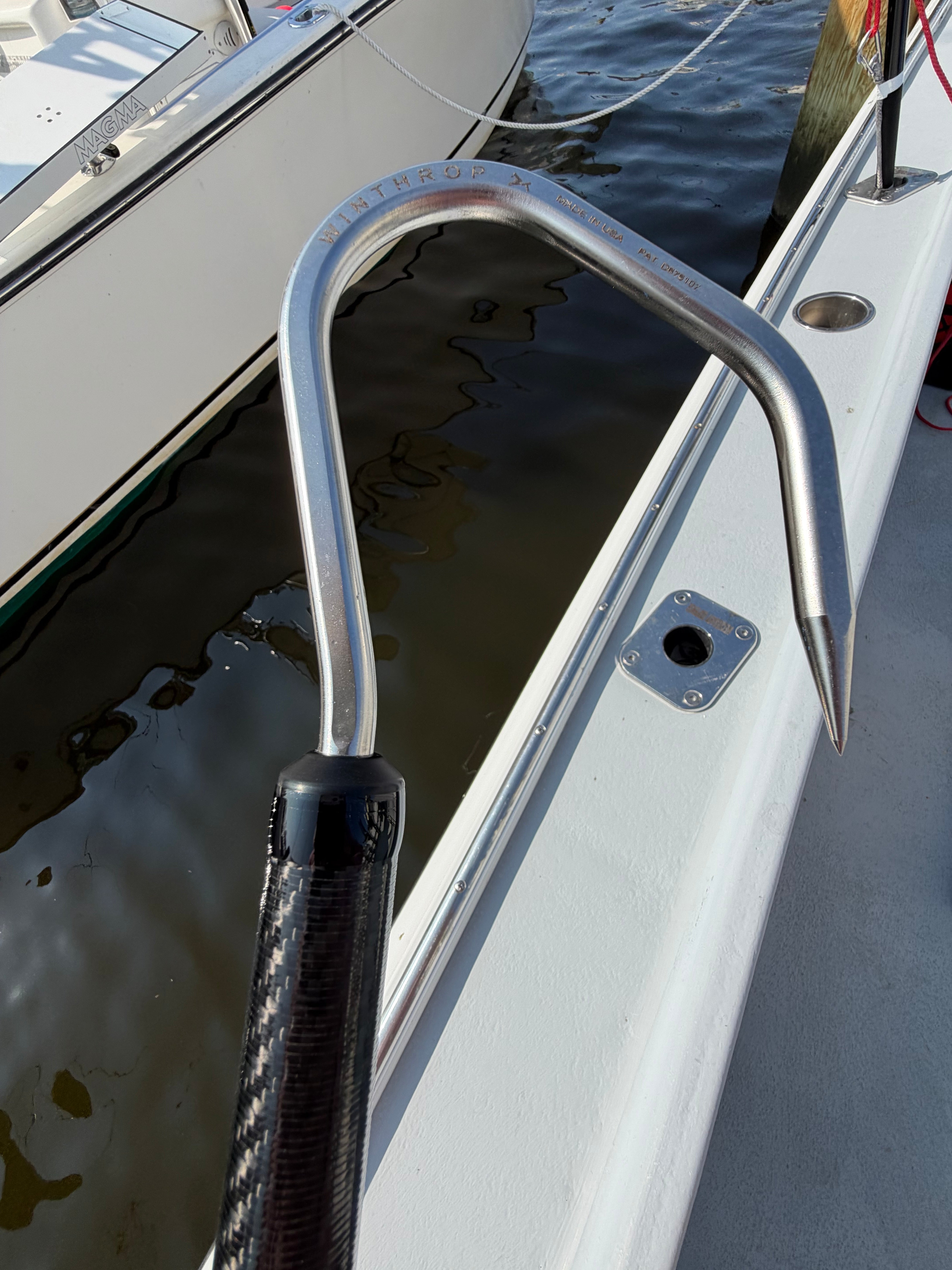
Watch out: the per-season math only favors domestic gear when the tool is actually used enough to reach the end of its service life. For an angler who fishes a handful of trips a year, the imported tool may never fail within the ownership window, and the premium is hard to justify on cost alone.
Three checks help decide which side of the ledger a specific product falls on. First, confirm the country-of-origin statement covers the finished tool, not just the packaging. Second, read the warranty exclusions. Third, ask whether replacement parts will be available for the expected service life of the tool.
Upfront prices of L.T. Marine tools
Made in USA Fishing Reels and Saltwater Fishing Reels Made in USA: What to Check
L.T. Marine's catalog for this article focuses on harpoons, gaffs, tomahawks and rod holders rather than reels. If you are shopping for Made in USA fishing reels or saltwater reels made in USA, the same test applies: confirm where the gear is built, what is covered under warranty and whether replacement parts are available.
Look for a clear country-of-origin statement, a written warranty and a manufacturer who answers questions about materials. Those three checks will tell you more than a generic label.
Saltwater Fishing Reels Made in USA
Saltwater exposure is the main test for any reel. Check for corrosion-resistant hardware and sealed components in the product description. Do not assume a domestic label guarantees saltwater performance; read the specs.
Affordable Fishing Rods Made in USA: Where the Price Gap Narrows
Some of L.T. Marine's accessories sit at accessible price points. The Tuna Tomahawk is listed at $59.99, and the Cockpit Harpoon Series starts at $265.00.
A tool built for repeated, hard use can justify its price when replacement is less frequent.
Best Fishing Rods Made in USA for Offshore and Commercial Use
For offshore and commercial work, the demands are heavy: large fish, saltwater exposure and daily use.
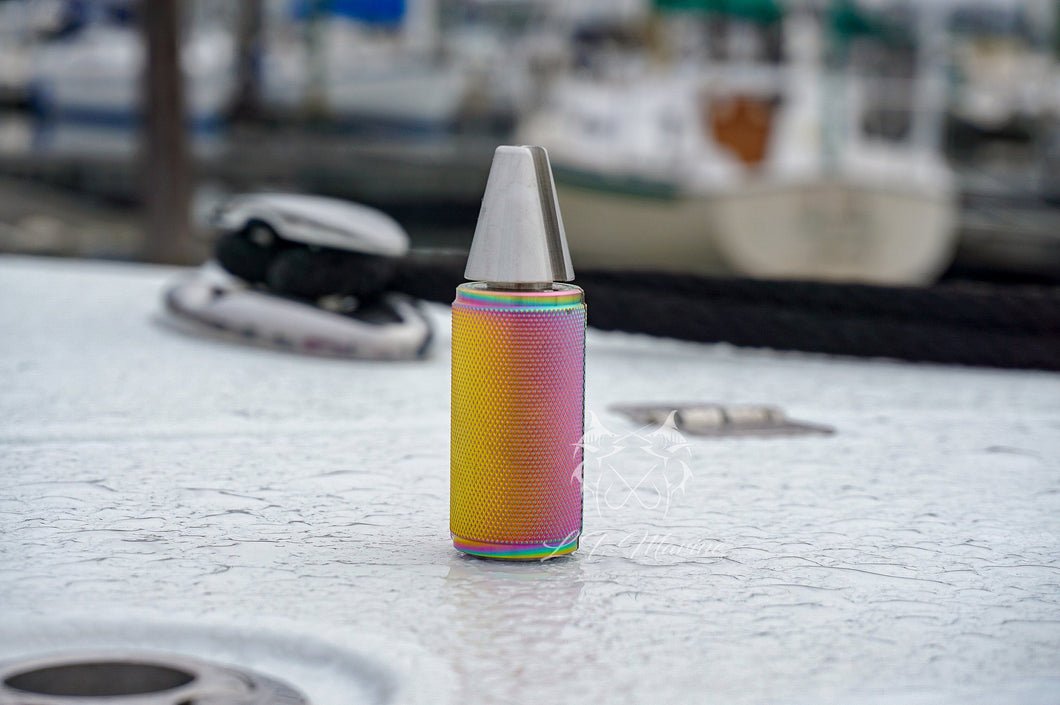
Extreme HD Carbon Fiber Gaffs are light, float and carry a 2-year warranty against carbon fiber breakage if used properly. They start at $300.00 and are recommended for tuna over 100 lbs, swordfish and giant bluefin tuna in the 4" hook size.
L.T. Marine 9 Inch Heavy Duty Fixed Rod Holders are built with 316 stainless steel and carry a lifetime warranty against structural or mechanical failure from normal use. They are priced at $145.00. Custom boat name engraving is available for a $100 setup fee with a three-week lead time.
Explore the full gaff range in the gaffs category to compare hook sizes and configurations.
Long-Term Cost, Warranties and Repairability
Purchase price is only part of what a fishing tool costs. Ownership also includes what you pay to keep the tool working across its service life, and what a failure costs in lost fishing time. This section breaks that down by warranty and parts, using the terms published for each L.T. Marine product.
Warranty terms by product. Coverage differs item to item, so read the listing before you buy:
- Cockpit Harpoon Series: lifetime warranty against material and workmanship defects on the harpoon assembly. Dart shafts and storage bags are excluded.
- Heavy Weight Cockpit Harpoon Series: lifetime warranty against material and workmanship defects. Consumable dart shafts and storage bags are not covered.
- Extreme HD Carbon Fiber Gaffs: 2-year warranty against carbon fiber breakage. Bent hooks are not covered.
- Tuna Tomahawk: standard 2-year warranty for failure under normal use.
- 9 Inch Heavy Duty Fixed Rod Holders: lifetime warranty against structural or mechanical failure from normal use.
What the warranty actually covers. A lifetime warranty on a harpoon assembly is valuable because the assembly is the expensive, hard-to-replace part. It does not cover the dart shaft, which is a consumable designed to be replaced. That distinction matters: the warranty protects the capital cost of the tool, while the consumable protects the working end. Budget for dart shafts the way you budget for line and hooks.
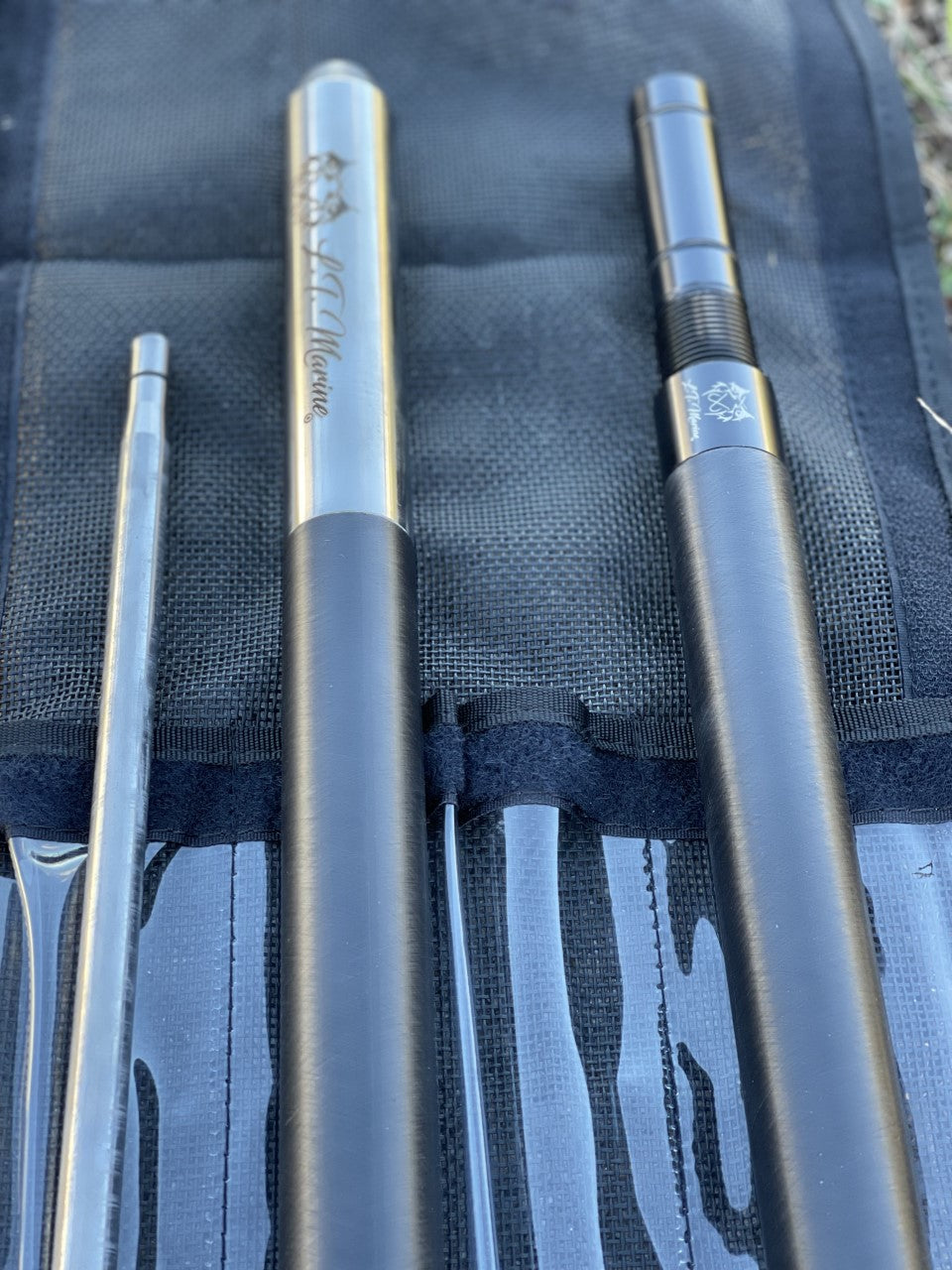
Dart retention. The L.T. Marine dart retention system keeps darts from inadvertently sliding off the shaft if line goes slack. Review the dart retention system page for how the mechanism works.
How to estimate service life. Consider the material and construction of the tool, the number of removable parts, and whether replacement parts are available for the components that wear.
The total-cost worksheet. For each candidate tool, write down the purchase price, the warranty length, the cost and availability of the parts that wear, and your realistic number of uses per season. Multiply the parts cost by the replacement interval, divide the purchase price by expected seasons, and add the two. The tool with the lower total is the better value regardless of where it was made.
Watch out: warranties exclude consumables such as dart shafts, so replacing them is a cost you should budget for.
Which Anglers Get the Most Value From American Made Gear
Commercial boat operators, charter captains and competitive offshore anglers put equipment through daily strain, and a warranty is worth weighing against a lower sticker price.
Recreational anglers who fish a few weekends a year may find that a basic imported tool does the job. The value case is strongest when the gear will see heavy, repeated use in saltwater.
Each product section below ends with who it suits best.
Best for: charter captains and commercial operators who need corrosion-resistant gear that holds up daily. Skip if: you fish occasionally in calm water and mainly need a single inexpensive tool.
Choosing Your Next Harpoon, Gaff or Rod Holder From L.T. Marine
If you are ready to buy, start with the task. Match the harpoon, gaff or rod holder to the fish you target and the way you fish. The harpoons page lists the full range, and the rod holder FAQs answer common questions about fit, installation and specifications before you order.
The Heavy Weight Cockpit Harpoon Series at $355.00 is designed for sport anglers who want extra weight to drive a dart deep or through prop wash, and the Cockpit Harpoon Series at $265.00 is designed for budget-conscious fishermen. Choose based on the fight you expect, not the label alone.
Frequently Asked Questions
Are American made fishing tools worth the extra cost?
L.T. Marine's commercial cockpit harpoon series starts at $265.00 and carries a lifetime warranty against material and workmanship defects, while the Tuna Tomahawk at $59.99 carries a two-year warranty. For an occasional angler, a cheaper tool may be the more sensible buy. Compare warranty length, materials and how often you will actually use the gear before deciding.
Are American made fishing reels more durable?
Durability depends on materials, construction and warranty support more than the country of origin alone. Domestic manufacturing can make it easier to verify materials and to get repairs or replacement parts, but a reel should still be judged on its specifications and how it is maintained. Rinse saltwater gear after every trip, check for corrosion and follow the manufacturer's care guidelines. Look for documented warranty terms before assuming durability.
How can you verify that fishing gear is made in the USA?
Check the product listing and packaging for a clear country-of-origin statement, and look for specifics such as where the materials are sourced and where the item is assembled. L.T. Marine states that its harpoons are 100% manufactured in house at its Connecticut machine shop, and that its other products are manufactured in house. Be cautious with vague phrases like 'designed in America,' which do not confirm where a tool was built.
Are American made tools easier to repair?
Repairability depends on the product and the manufacturer's parts and service policies. Replacement components are still required for some items, and L.T. Marine notes that dart shafts are consumable and are not covered under warranty. Before buying, confirm what the warranty covers, which parts are consumable and how the supplier handles repairs or replacements.

